Internal communication is much more than just an exchange of information between colleagues. It is the silent engine that fuels team cohesion, strengthens employee engagement, and promotes smooth internal organisation. When well thought out, it transforms the way a company operates, makes decisions, and adapts to change.
But let's be honest: who hasn't felt that information wasn't flowing properly? That certain departments were ‘in their own bubble’? Or that management decisions were being handed down without explanation?
Don't panic. There are concrete solutions that are simple to implement and incredibly effective. In this article, I'll share key tips for improving internal communication and creating a healthier, more agile, and above all, more efficient working environment.
1- Understanding the fundamentals of internal communication
2- Establish effective internal communication channels
3- Integrating internal HR communication into the overall strategy
4- Adapting communication to a hybrid working environment
5- Encourage feedback and comments
6- Train employees to communicate more effectively
Understanding the fundamentals of internal communication
Before embarking on specific tools or actions, it is essential to lay the groundwork. Internal communication within a company encompasses all exchanges of information between employees, regardless of their role or position in the hierarchy.
It differs from external communication (which is aimed at customers, partners or the media) in its main objective: to facilitate the flow of information internally in order to strengthen collaboration, performance and the social climate.
It is also a strategic lever: effective internal communication makes it possible to better manage change, reinforce adherence to company values and stimulate motivation on a daily basis.
Assess the current situation in the company
You can't improve what you don't measure. The first step in improving internal communication is to assess the current situation. What channels are being used? Are messages being understood correctly? Are there any grey areas or silos?
Here is a useful comparison table to help you quickly assess the state of your internal communication:
|
Element analysed |
Current status |
Room for improvement? |
|
Communication channels (emails, intranet, etc.) |
Mainly email |
Yes, not very interactive |
|
Employee feedback |
Rare |
Yes, need to listen more |
|
Information flow |
Top-down only |
Yes, lack of cross-functional communication |
|
Management involvement |
Low |
Yes, role needs to be strengthened |
|
Digital tools |
Non-existent or rarely used |
Yes, need for modernisation |
The aim is to identify the sticking points that prevent smooth communication. And to take things further, you can also call on specialist providers who offer digital solutions to modernise and simplify internal communication within companies.
Establish effective internal communication channels
Between ageing intranets, overflowing inboxes and endless meetings, there is an urgent need to rethink internal communication tools. Modern digital solutions offer intuitive, centralised and interactive platforms to streamline communication.
Some examples of effective tools:
- Collaborative intranet to centralise information
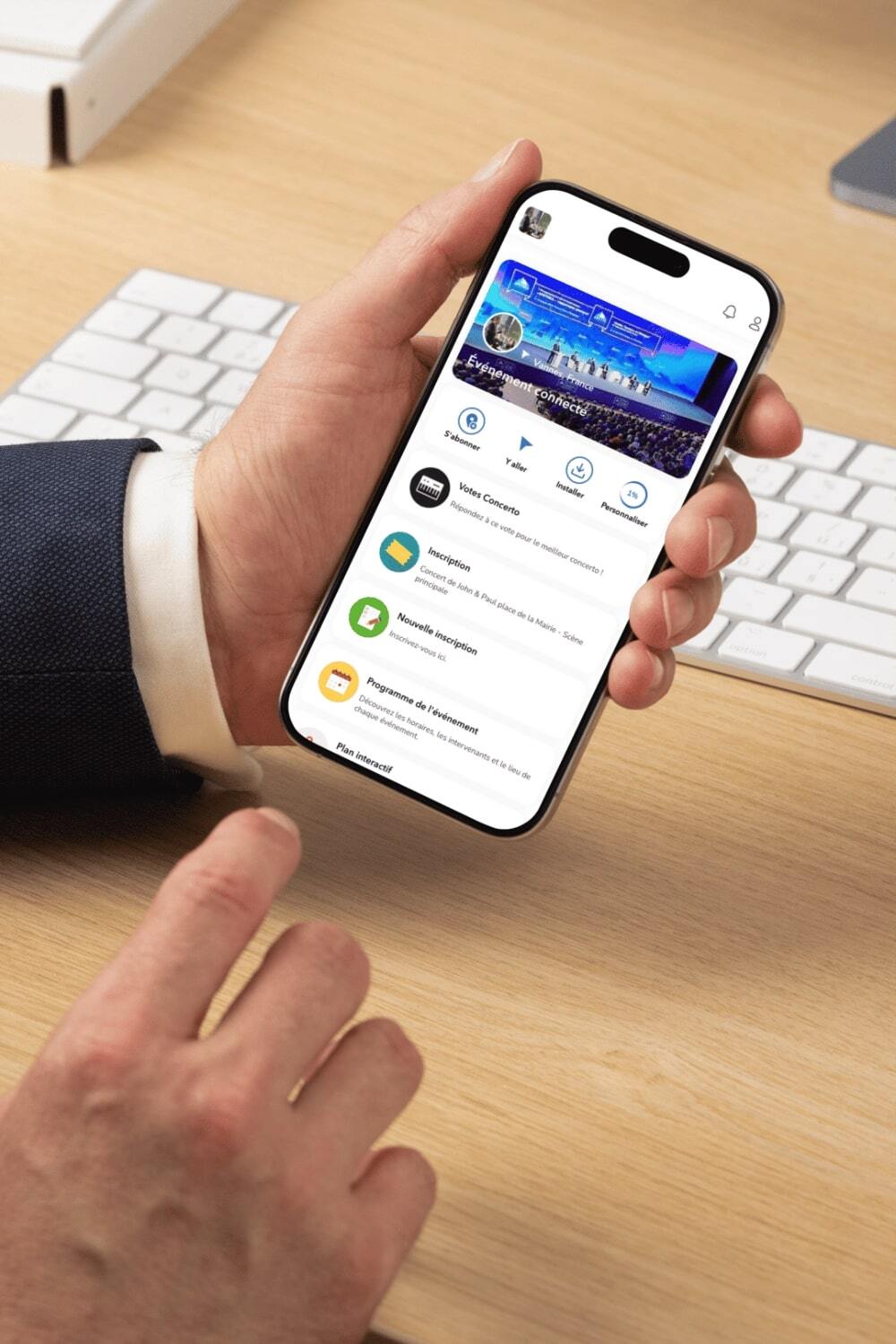
- Internal mobile applications to maintain contact with teams in the field or working remotely
- Thematic discussion groups to break down barriers between departments
- Dynamic and personalised newsletters
The idea is to diversify channels while making them accessible and easy to use. Every employee should be able to stay informed, ask questions and interact, regardless of their position.
Integrating internal HR communication into the overall strategy
Internal HR communication plays a key role in organisational transformation. Too often, HR is perceived as simply payroll managers or recruiters. However, their involvement in internal communication strategy is crucial, particularly for everything related to quality of life at work, staff retention and the social climate.
Human Resources must work hand in hand with communications teams to:
- Provide information on internal processes (career development, training, employee benefits, etc.)
- Create dialogue between HR and employees
- Strengthen communication around corporate values and culture
A concrete example: when a new HR policy is implemented, such as a change in teleworking, communication around this decision must be clear, transparent, and above all, two-way (employees can express themselves). Tools such as those offered by Imagina enable the creation of these bridges between HR and employees.
Adapting communication to a hybrid working environment
Since the rise of remote working, internal communication has had to reinvent itself. Today, it is essential to think about remote internal communication that remains fluid, human, and accessible to everyone, even when they are not physically present in the office.
The challenges of the hybrid model:
- Risk of isolation
- Difficulties accessing information
- Loss of social connection
The solutions:
- Create digital rituals (virtual coffee breaks, weekly video calls)
- Use centralised collaborative tools
- Maintain transparent and regular internal communication
- Prioritise visual formats (videos, infographics, etc.)
There are solutions tailored to the hybrid working model, with intuitive mobile applications to keep all employees connected, wherever they are.
Encourage feedback and comments
Communication should not be a monologue. To be effective, it must be a constant dialogue. This means giving employees space to express themselves, suggest ideas, report problems... but also receive feedback on the communications themselves!
Here's how to encourage constructive feedback:
- Set up digital suggestion boxes
- Create quick polls (pulses) on various topics
- Organise regular team meetings to share information.
- Training managers in constructive feedback
This feedback loop is essential for adjusting strategy and showing employees that their voices matter. With certain platforms, it is possible to digitise these processes seamlessly and anonymously.
Train employees to communicate more effectively
It doesn't come naturally: good communication is something that can be learned. To improve the flow of internal information, it is also necessary to invest in ongoing training for teams. Whether it's learning to listen better, express oneself clearly or write effective messages, every employee has a role to play.
Possible actions :
- Practical workshops on public speaking
- Training in non-violent communication
- Individual coaching for managers
- Training sessions on digital tools
Training also means empowering. And the more teams are trained, the more autonomous and collaborative they become.
Conclusion: What if internal communication became your superpower?
As you can see, improving internal communication is not a luxury, it is a necessity. In a world where information circulates at breakneck speed and working models are constantly evolving, a solid internal communication strategy is key to ensuring smooth internal organisation, strong employee engagement and sustainable performance.
The tips shared here assessing, involving, structuring channels, training management, promoting transparency, and relying on powerful tools such as Imagina are not magic formulas, but solid foundations for building a more human, more connected, and more responsive company.
It is time to make internal communication a strategic priority, not just another task on the HR or managerial to-do list.
So, where will you start?
FAQ: Quick answers to frequently asked questions about internal communication
How can I tell if my internal communication is effective?
Analyse employee feedback, message read rates, and observe the general atmosphere within the company. A good indicator: fewer rumours, greater clarity.
What are the best tools for centralising internal communication?
Platforms such as Imagina offer an all-in-one solution: mobile application, interactive intranet, surveys, targeted notifications, etc.
How can employees be involved in internal communication?
Organise surveys and participatory workshops, and give them a voice in official channels. The more they participate, the more they will embrace the strategy.
Should internal communication be managed solely by HR?
No! It is a responsibility shared between senior management, managers, HR, and sometimes even internal ambassadors. Everyone has a role to play.
How can you maintain good communication when working remotely?
Increase the number of digital channels, set up regular check-ins, and encourage informal remote communication. The key is consistency.
What is the impact of poor internal communication on the company?
A lack of clear communication can lead to demotivation, loss of productivity, talent drain, and internal tensions. This is a real risk that should not be overlooked.


