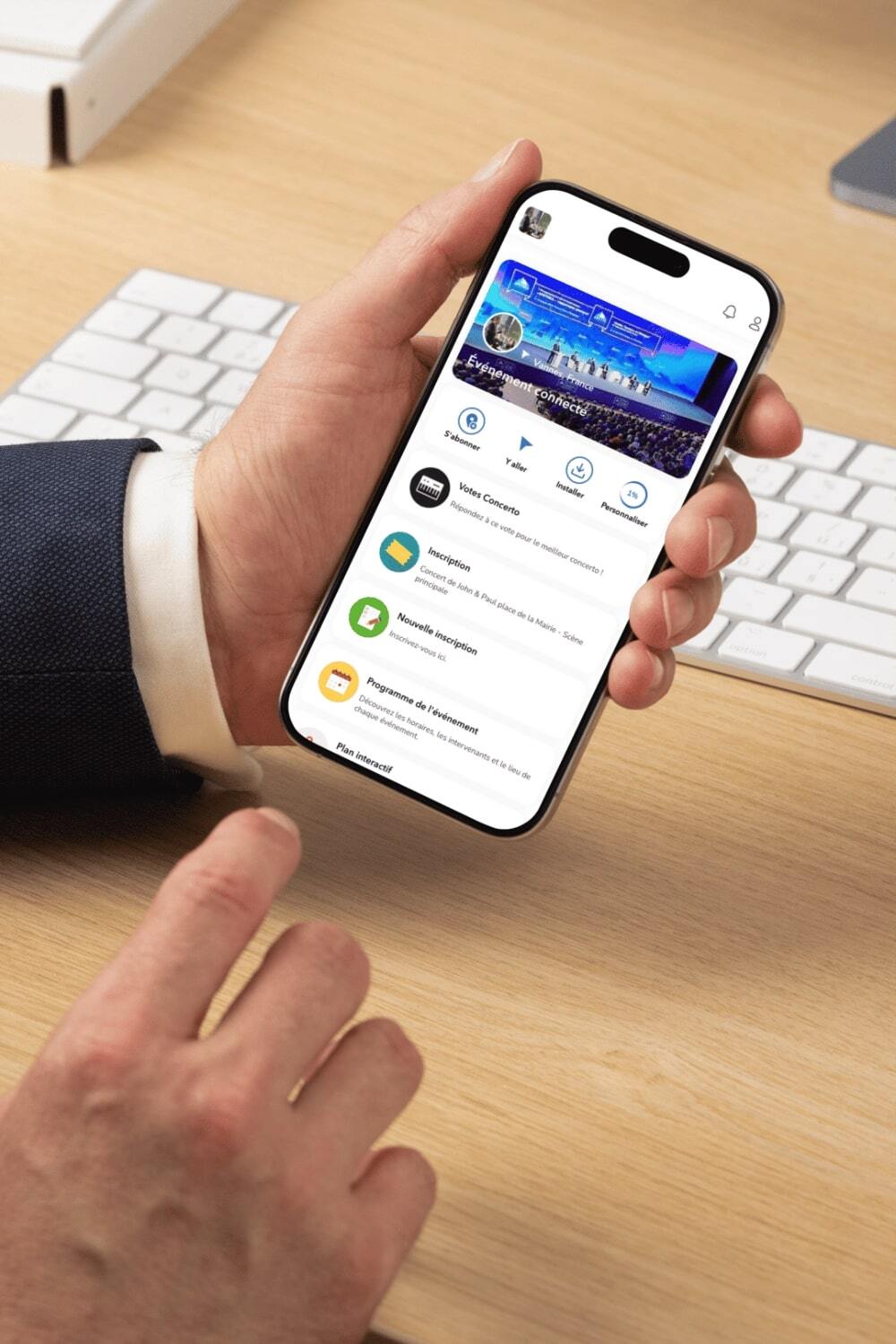
Choosing a business phone is about more than just comparing technical specifications. For many companies, it’s a strategic investment: the right device improves responsiveness, communication and even workplace comfort. But how do you choose the right model? Here are our tips.
First and foremost, identify your needs
Before looking at the technical specifications, it is essential to determine what the phone will actually be used for. A sales representative will not have the same expectations as an office worker or a marketing manager. Some will prioritise durability and battery life, whilst others will focus on camera quality or compatibility with collaborative tools.
Professionals looking for a versatile and durable model may want to consider the iPhone 17, whose power and smooth performance make multitasking a breeze. For businesses on a slightly tighter budget, the iPhone 16 or other older models remain reliable options, perfectly suited to everyday professional use.
Once your needs have been identified, it becomes easier to assess the key criteria to consider: ease of use, security, battery life, performance and durability. Let’s take a closer look at the points to consider before making your choice.
User experience and ease of use
Above all, a good business phone must be a pleasure to use. The screen, audio quality, brightness and size of the device play a key role in ensuring a comfortable working experience. For those who spend long hours reading or writing messages, a large, well-calibrated screen is a real asset. Users on the move, meanwhile, will appreciate a lightweight design and a secure grip.
The quality of the microphone and speakers is also a key factor. In a noisy environment or during a video conference, sound clarity makes all the difference. Some models feature noise-cancelling technology or multiple microphones to improve call quality.
Safety and reliability: essential requirements in the professional world
Business phones often contain sensitive information. Securing data is therefore essential. Biometric authentication systems (fingerprint and facial recognition) provide an effective first line of defence, but security also depends on regular software updates.
Businesses would be well advised to opt for models that offer long-term support and remote management features. In the event of loss or theft, it becomes possible to lock the device or wipe its contents. This reliability is an integral part of choosing a good business phone: a robust, well-supported and durable model is preferable to a state-of-the-art device without a software guarantee.
Durability and value for money
Beyond immediate performance, the phone’s durability is a key consideration. Choosing a business device means thinking several years ahead. A robust model, capable of withstanding heavy use, will minimise the need for premature replacements and reduce costs in the long term.
Some recent devices also focus on repairability, the availability of spare parts or a lower environmental impact. This criterion is becoming increasingly important for businesses concerned about their ecological footprint.
Performance, but not at any cost
Of course, processing power remains a key factor. But it all depends on how you use it. A phone with a high-performance processor, 6 to 8 GB of RAM and ample storage capacity will be ideal for juggling messaging, meetings and collaborative tools all at once. Battery life is just as important: a battery that can last the whole day without recharging quickly becomes essential, especially for those who work on the move.


